
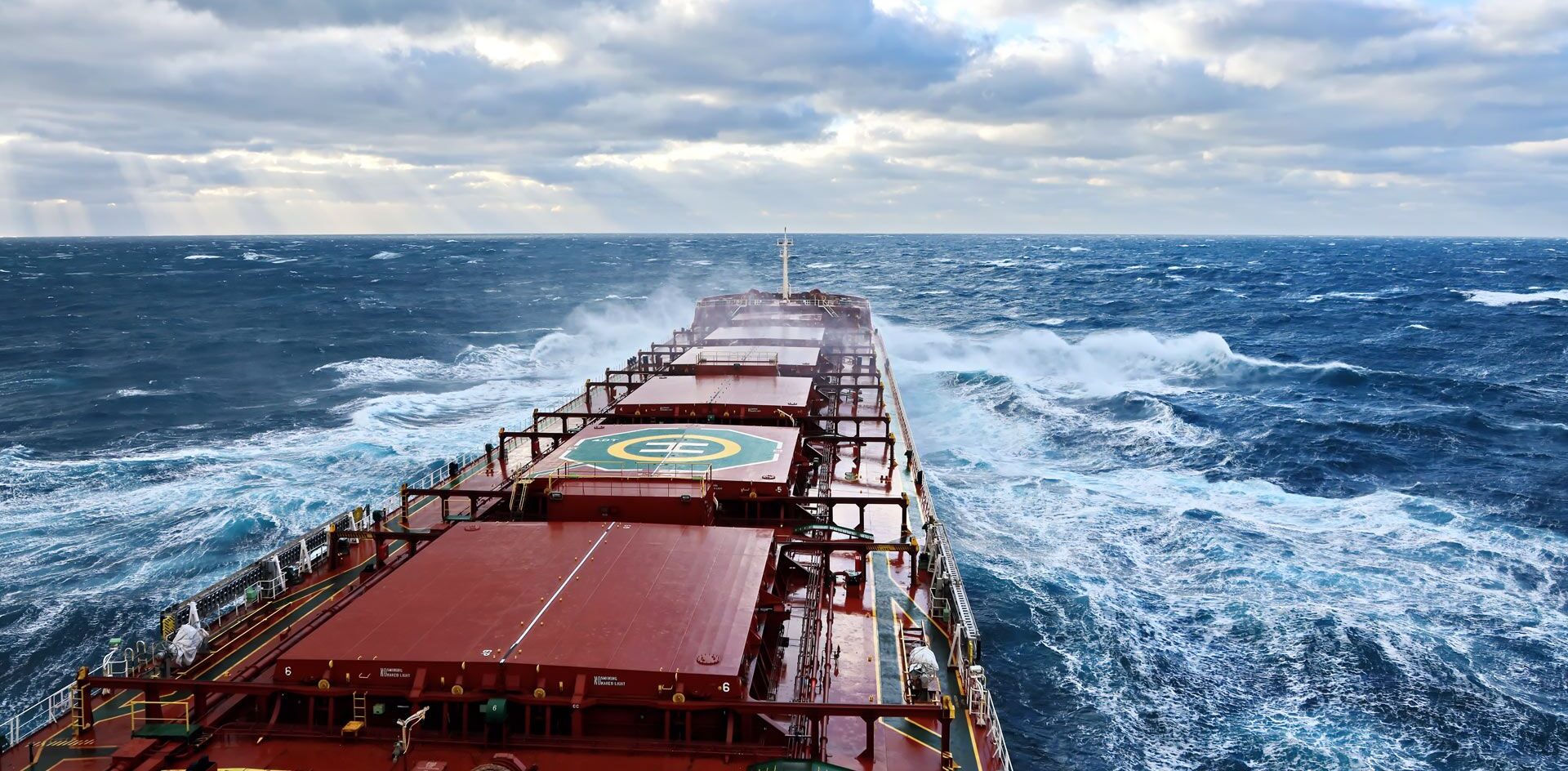
Dry Bulk Vessel Chartering
We provide reliable, efficient, and cost-effective dry bulk vessel chartering services for a wide range of commodities worldwide. Our expert team of shipping brokers and market analysts delivers deep market intelligence, competitive freight rates, and optimal vessel solutions for your dry cargo transportation needs.
From agricultural products to minerals and industrial commodities, we ensure safe, timely, and economical delivery to any destination.
What We Transport
Ametheus charters vessels for the transportation of major dry bulk commodities, including:
- Grains & Agri Products: Rice, wheat, corn, barley, soybeans, sorghum
- Minerals & Construction Materials: Gypsum, limestone, aggregates, cement, clinker, iron ore
- Industrial Cargoes: Steel products, copper slag, coal, petcoke, fertilizers, bauxite
- Other Dry Bulk: Sugar, salt, scrap, project cargo (breakbulk)
(Note: We do not handle personal effects or household goods.)
Types of Dry Bulk Carriers
Dry bulk carriers are classified primarily by size (deadweight tonnage – DWT), which determines their suitability for specific ports, canals, and cargo volumes.
1. General Dry Bulk Carriers
- Handysize: 10,000 – 40,000 DWT Ideal for smaller ports, coastal, and short-sea trades. Often geared (fitted with cranes) for ports without shore equipment.
- Handymax / Supramax: 40,000 – 65,000 DWT Highly versatile and popular segment. Usually geared with 4–5 holds and cranes (25–30 MT capacity). Excellent for a wide range of cargoes and ports.
- Panamax: 65,000 – 85,000 DWT Designed to maximize the dimensions of the Panama Canal. Widely used for grain, coal, and mineral trades.
- Post-Panamax / Kamsarmax: 80,000 – 120,000 DWT Larger than traditional Panamax but still flexible for many ports.
- Capesize: 100,000 – 200,000+ DWT (up to 400,000 DWT for Valemax) Large vessels used mainly for iron ore and coal on long-haul routes (e.g., Brazil to China, Australia to Asia). They sail around the Cape of Good Hope.
2. Specialized Dry Bulk Vessels
- Self-Unloading (Belt) Vessels: Equipped with conveyor belt systems for rapid discharge of flowable cargoes like aggregates, gypsum, and copper slag.
- Geared vs Gearless: Geared vessels have onboard cranes for flexible operations in ports without infrastructure.
- Tweendeckers & Multi-Purpose Vessels: Suitable for breakbulk, steel products, bagged cargo, and project cargo.
- Heavy-Lift Vessels: For oversized project cargo with high crane capacity.
Types of Charter Agreements
1. Voyage Charter (VC)
The vessel is hired for a specific voyage from load port to discharge port. The shipowner is responsible for operating costs (fuel, crew, maintenance). The charterer pays freight based on cargo quantity or lumpsum.
Best suited for: One-off or irregular shipments.
2. Time Charter (TC)
The charterer hires the vessel for a specific period (months to years) and directs its commercial operations. The charterer pays daily hire and covers voyage costs (bunker, port charges), while the owner manages technical operations.
Best suited for: Regular shipments or market hedging.
3. Bareboat Charter (BBC) / Demise Charter
The charterer takes full control of the vessel (like renting it outright) and is responsible for crewing, maintenance, insurance, and all operational costs. The owner only provides the ship.
Best suited for: Long-term requirements or when the charterer wants complete operational control.
4. Contract of Affreightment (COA)
A Contract of Affreightment (COA) is a multi-voyage shipping contract. The owner or carrier agrees to move an agreed volume of cargo, or to perform an agreed number of liftings, over a set period. No ship is named up front. The owner nominates a suitable vessel for each lifting. The charterer gets guaranteed liftings and a locked freight rate instead of returning to the spot market for every cargo.
A COA is not a single voyage charter and not a time charter. It sits between the two. It is the correct instrument when a trader, refiner, or terminal operator has a programme of repeated liftings but does not need to hire a named ship for a continuous period.
Negotiations & Market Practices
Dry bulk charter negotiations typically focus on:
- Freight rate (or daily hire)
- Cargo quantity and description
- Laydays / Cancelling date
- Loading and discharging rates
- Demurrage / Dispatch
- Charter Party form (commonly Gencon 1994, NORGRAIN, OREVOY, etc.)
Our team ensures clear, balanced terms that protect your interests while maintaining strong relationships with shipowners.
Payment Terms
1. Voyage Charter Payment Terms
| Payment Term | Short Code | Description |
|---|---|---|
| Freight Prepaid | FPP | Full freight paid before loading |
| Freight Payable on Discharge | FPD | Payment after discharge |
| Freight Payable at Sight | FPS | Payment on presentation of documents |
| Before Breaking Bulk | BBB | Payment before discharge begins |
| Cash Against Documents | CAD | Payment against shipping documents |
| Letter of Credit | SLC / ULC | Sight or Usance LC (30/60/90 days) |
| Net Payment Terms | NET-30/60/90 | Payment 30/60/90 days after discharge |
2. Time Charter Payment Terms
| Payment Term | Short Code | Description |
|---|---|---|
| Hire Payable in Advance | HPA | Hire paid upfront |
| Hire Payable in Arrears | HPA-15/30 | Paid 15 or 30 days in arrears |
| Hire Payment Against Invoice | HPI | Paid after invoice |
| Bank Guarantee Secured | BGH | Secured by bank guarantee |
| Letter of Credit for Hire | LCH | Hire secured via LC |
Our Tailored Chartering Process
- Requirement Analysis — Cargo type, volume, ports, timeline
- Market Intelligence — We canvass global tonnage for best options
- Vessel Selection — Match vessel type, gear, holds, and suitability
- Negotiation — Secure competitive rates and favorable terms
- Fixture & Execution — Draft Charter Party, monitor performance
- Post-Fixture Support — Laytime calculation, demurrage handling, claims
We focus on minimizing total landed cost while avoiding costly delays.
Contact us today for competitive freight rates, vessel availability, and expert advice on your next dry bulk shipment.
Request a Quote
- Voyage Charter (VC) Request Form – Dry Cargo
- Time Charter (TC) Request Form – Dry Cargo
- Bareboat Charter Request Form – Dry Cargo
Our most commonly chartered vessel types

HANDYSIZE VESSELS
Handysize and Handymax vessels make up the bulk of the world’s ocean-going cargo fleet. Handysize vessels are generally capable of handling shipments between 25,000 and 35,000 dwt (dead weight tonnes). Both types of vessels are more maneuverable and have shallower draft than larger vessels and can access a wider variety of cargo types and port scenarios. Most Handysize ships are “geared”, i.e. fitted with cranes, allowing them to load and discharge cargoes at ports which lack cranes or other cargo handling systems. Compared to larger dry bulk shipping carriers these vessels carry a wider variety of cargo types.

HANDYMAX VESSELS
Handymax vessels are larger versions of the popular Handysize Vessels, capable of carrying approximately 35,000 to 60,000 dwt (dead weight tonnes) of dry bulk cargo. A typical Handymax ship will be outfitted with five dry bulk cargo holds, and up to four cranes with 30 metric ton lifting capacity for cargo self-load/unload operations in suitable ports. These ships are typically available for international shipping.

PANAMAX VESSELS
Panamax vessels are very large ocean-going vessels that are designed to take advantage of the maximum vessel capacity of the Panama Canal. These ships can typically carry between 60,000 and 85,000 dwt (dead weight tonnes) and are the shipping vessels of choice for many dry bulk shipping cargoes such as grain or minerals.

CAPESIZE BULK CARRIERS
Capesize vessels (length 230 to 270 m, draft 17 m), with carrying capacity between 80,000 to 199,000 dwt (dead weight tonnes), are too large for the Panama Canal and trade from the Atlantic around the Cape of Good Hope.
for quote please email at [email protected]
