
COMMERCIAL SPECIFICATION OF RED LENTILS
WHOLE WITH HUSK | WHOLE DEHUSKED (FOOTBALL / GOTA / MALKA) | INDIA | NEPAL | AUSTRALIA / CANADA
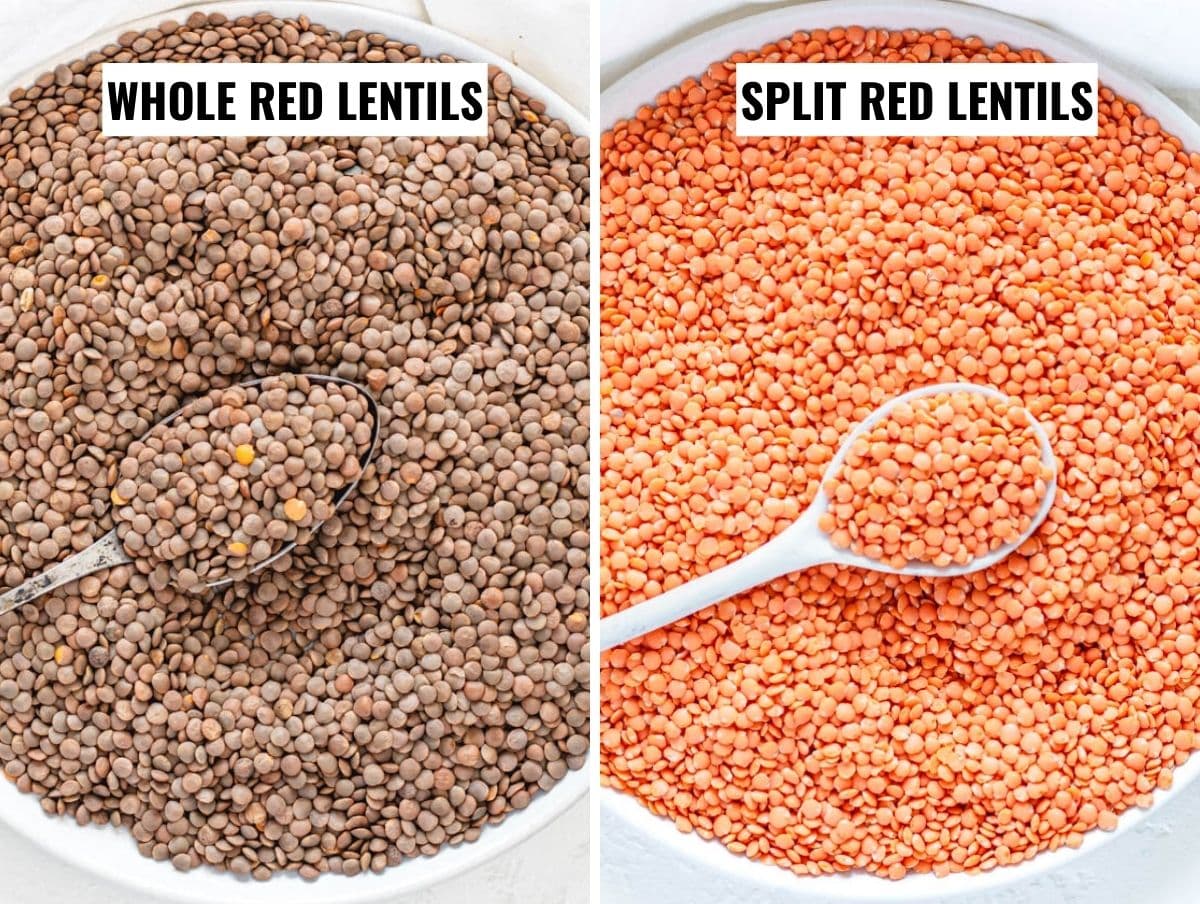
Ametheus supplies superior-quality red lentils (Lens culinaris / Masoor) for food, snack, canning and institutional buyers. Lots are offered as Whole with husk (skin on, not split) and as Whole dehusked — also called Football / Masoor Gota / Malka — where the skin is removed and the orange-red seed is left whole, not split. Split red lentils (dal) are a separate product.
Origins in this sheet: India (Bahraich mid-size and MP/UP football/gota), Nepal (small, mid and football), and Australia / Canada (large football / jumbo). Quality and quantity may be certified by Intertek, SGS or equivalent. Packing from 15 kg to 50 kg polypropylene bags; custom packing and private labels available.
| Three sizes | Two whole forms | Three origins | Two cleaning lines |
|
Small · Mid · Football / Large |
With husk · Dehusked (Football) | India · Nepal · Australia / Canada |
Standard 1+1 · Machine-dressed / Sortex |
NB: Standard commercial cleanliness on all grades is 1% foreign material + 1% unhusked.
1. Buyer key — what each name means
| Trade name | Form | Appearance | Cooking |
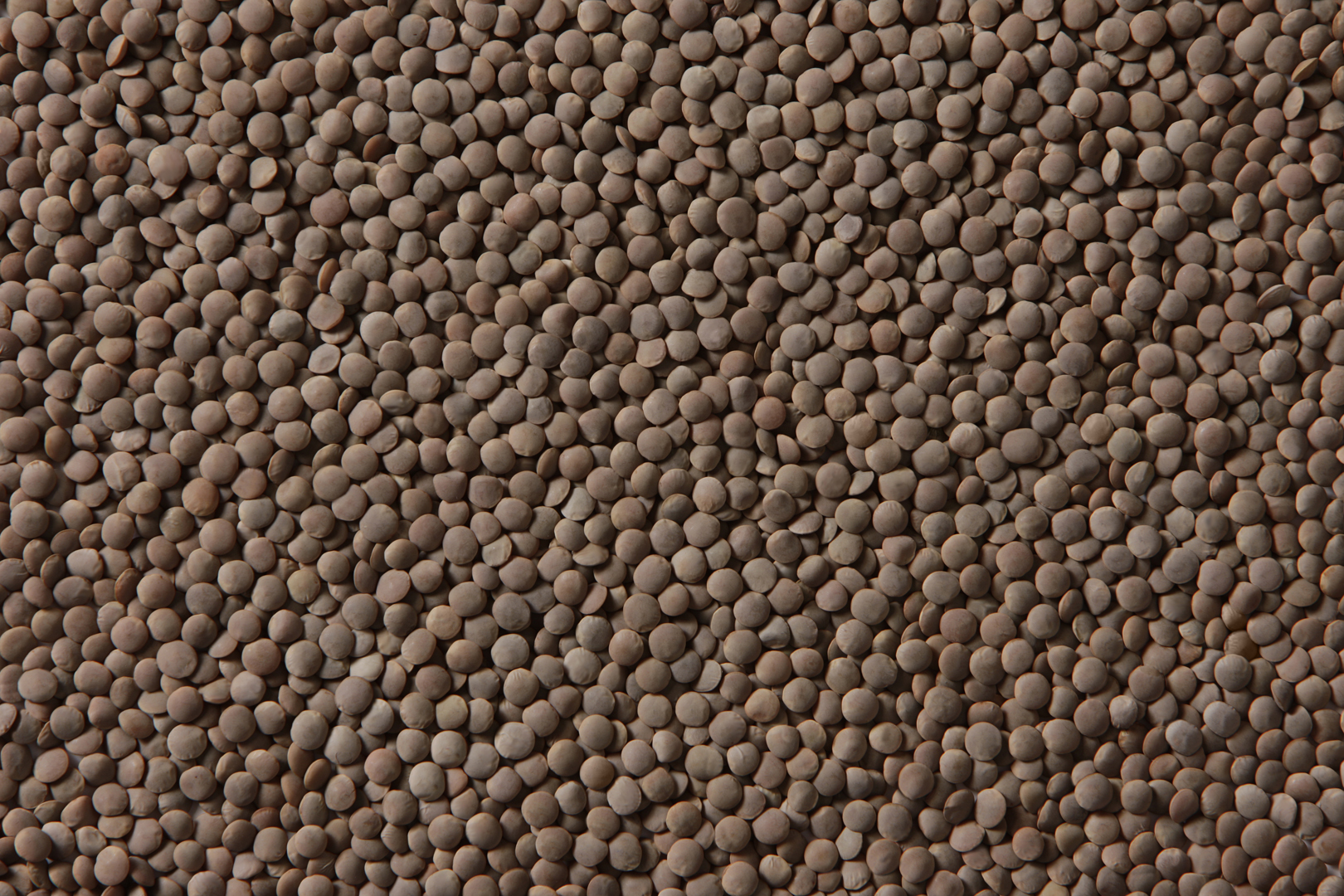
| Whole with husk / Sabut / Kali masoor | Skin on. Whole seed. Not split. | Brown-grey to dark coat; red inside. | Longer cook. Holds shape. Higher fibre. |
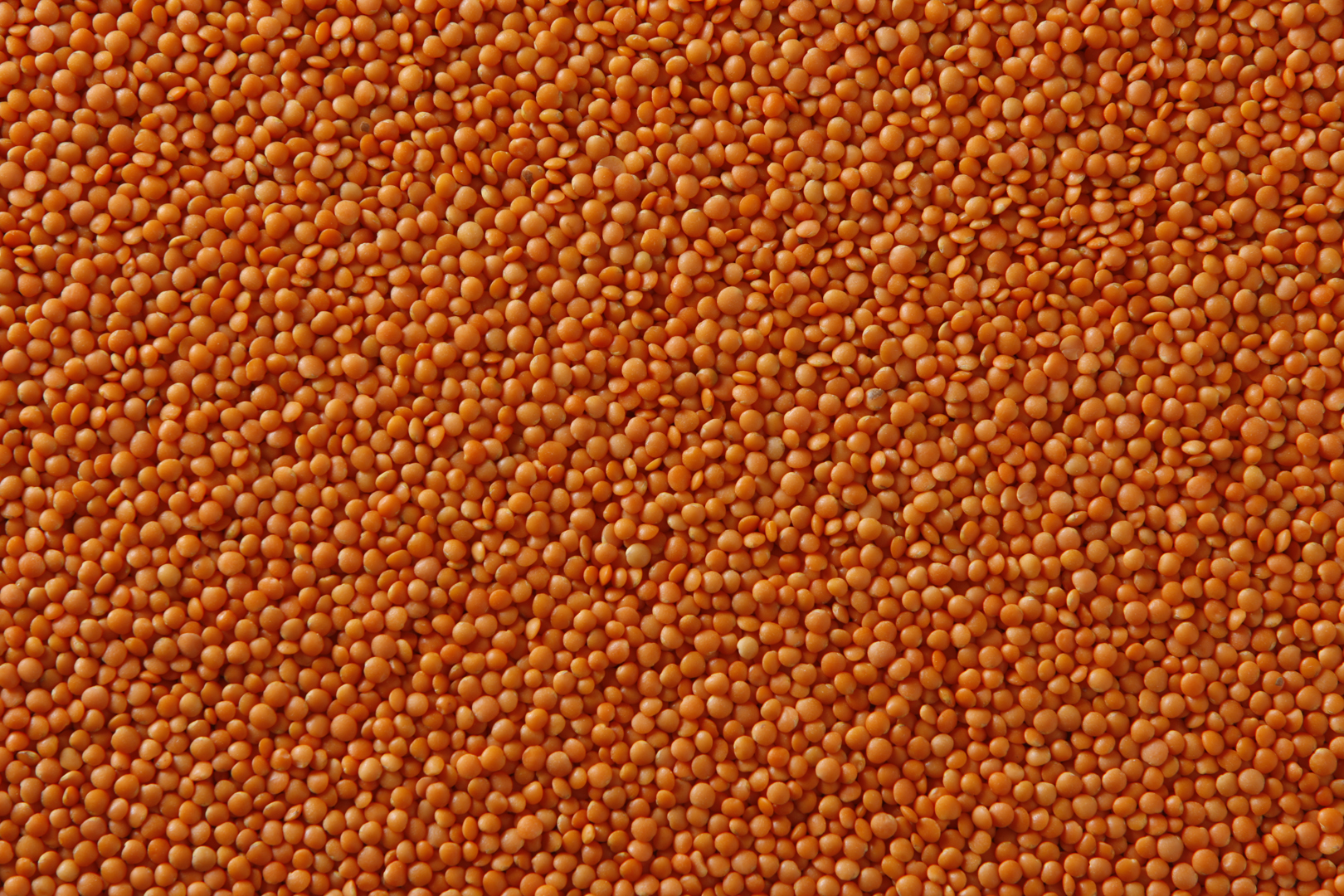
| Whole dehusked / Decorticated / Football / Gota / Malka | Skin removed. Seed left whole. Not split. | Bright orange-red polished cotyledon. | Faster cook. Soups, snacks, canning. |
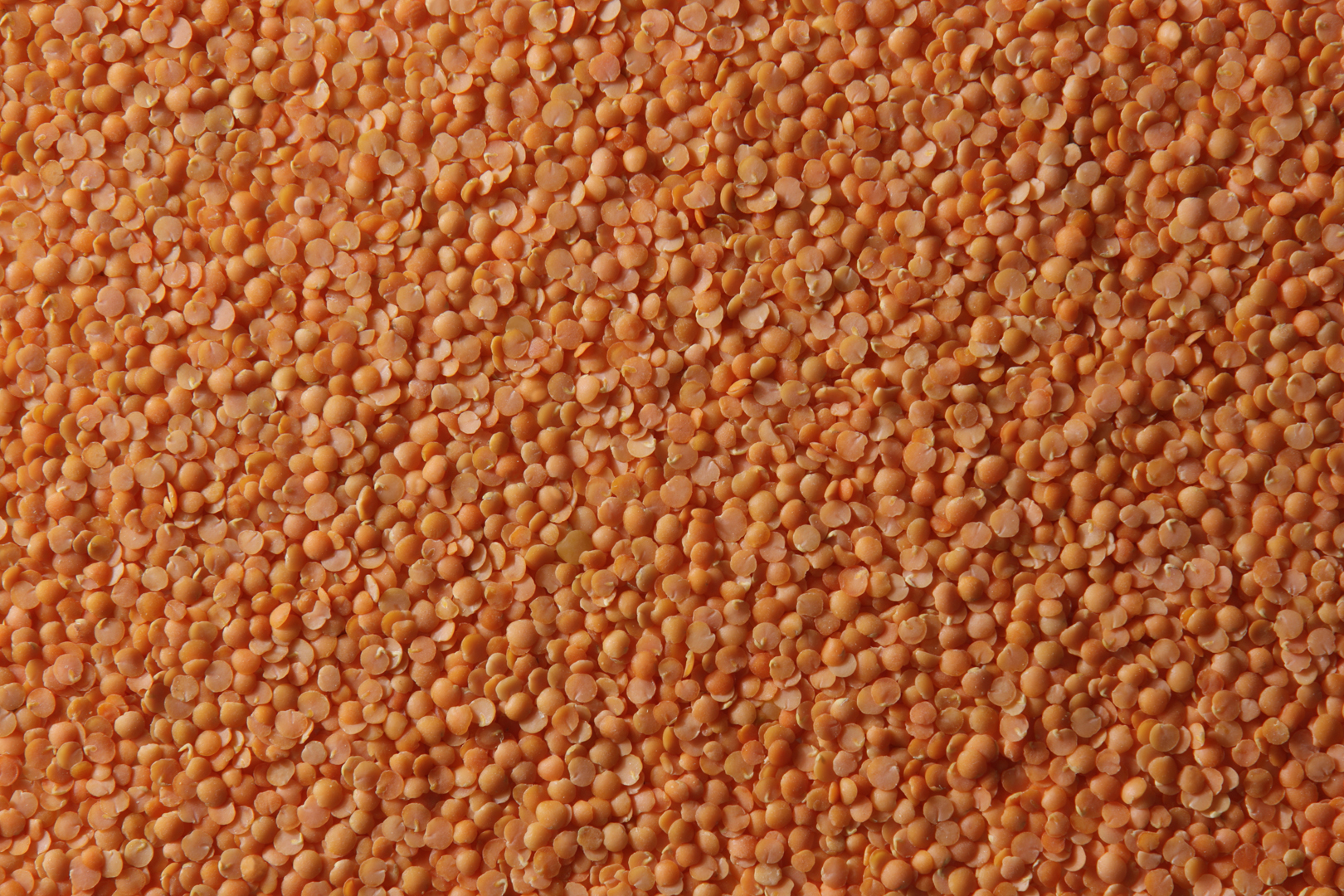
| Split / Masoor dal / Leaf lentils | Skin removed and seed split in two. Separate SKU. | Flat orange-red halves. | Fastest cook. Everyday dal. |
This specification covers only the two whole forms. Split red lentils can be quoted separately.
2. Cleaning lines (every origin and size)
Quote either the standard commercial line or the machine-dressed / Sortex line. Do not mix the two on the same contract without stating which applies.
| Parameter | Standard commercial | Machine-dressed | Sortex cleaned |
| Purity | — | 99% min | 99% min (typically 99.5%) |
| Foreign material | 1% max | 0.5% max | 0.2% max |
| Unhusked grains | 1% max | 0.5% max | 0.1% max |
| Trade shorthand | 1% FM + 1% unhusked | 0.5% + 0.5% | 0% + 0–0.1% |
| Damaged / discoloured | As per grade | 2% max | 2% max |
| Live infestation | Nil | Nil | Nil |
| Crop year | Current | Current | Current |
| Shelf life | 12–24 months, cool dry | 12–24 months, cool dry | 12–24 months, cool dry |
Also available on request: 2% FM + 2% unhusked (lower mill / feed grade). Moisture on all grades: 12–14%. Typical protein on dry whole red lentil: 22–26% (Australia / Canada large football often 24–27%). Contracts should use the dry-basis protein range, not the historic 10–12% website figure.
3. Size and origin matrix
| Grade | Origin | Size | Count / 10 g |
| Small premium | India / Nepal | 2.5–3.0 mm | 580–650 (620 min) |
| Mid size / Masoor Gola | Bahraich, Uttar Pradesh, India | 3.0–3.5 mm | 380–450 |
| Mid size | Nepal | 3.0–3.5 mm | 380–480 |
| Football / Gota / Malka | India (MP / UP, incl. Bundelkhand bold) | 3.0–4.5 mm (bold 4.0 mm+) | 250–350 |
| Football | Nepal | 3.0–4.5 mm | 250–380 |
| Large Football / Jumbo | Australia / Canada | 4.0–5.5 mm (also 3.5–4.5 mm) | 180–280 |
Higher count per 10 grams means a smaller seed. Indian and Nepali football is the regional Gota size. For jumbo 4.5–5.5 mm, specify Australia / Canada origin.
4. India origin — full specifications
India is a major producer and processor of masoor. Bahraich (Uttar Pradesh) is the leading Indian lentil district. Bold / football types are drawn from Madhya Pradesh and Uttar Pradesh, including Bundelkhand macrosperma (malka) types. Trade names: Sabut masoor (whole with husk), Masoor Gota / Football / Malka (whole dehusked).
4.1 Small size premium — India
| Form A — with husk | Red Lentils Whole with husk (not split, skin on) |
| Form B — dehusked | Red Lentils Whole dehusked / decorticated (not split) |
| Origin | India |
| Size | 2.5–3.0 mm |
| Count | 620 pieces / 10 gram minimum |
| Split | ½–1% max |
| Moisture | 12–14% |
| Protein | 22–26% typical, dry basis |
| Standard cleanliness | 1% foreign material + 1% unhusked |
| Q&Q | Intertek / SGS / equivalent |
| Packing | 15 kg to 50 kg PP bags; custom and private label available |
4.2 Mid size — Bahraich, Uttar Pradesh (Masoor Gola)
| Form A — with husk | Red Lentils Whole with husk (not split, skin on) |
| Form B — dehusked | Red Lentils Whole dehusked / decorticated (not split) |
| Origin | Bahraich belt, Uttar Pradesh, India |
| Size | 3.0–3.5 mm |
| Count | 380–450 pieces / 10 gram |
| Split | 1–2% max |
| Moisture | 12–14% |
| Protein | 22–26% typical, dry basis |
| Standard cleanliness | 1% foreign material + 1% unhusked |
| Q&Q | Intertek / SGS / equivalent |
| Packing | 15 kg to 50 kg PP bags; custom and private label available |
4.3 Football / Gota / Malka — India (MP / UP)
| Form A — with husk | Red Lentils Whole with husk, bold / gola (not split, skin on) |
| Form B — dehusked | Red Lentils Whole dehusked — Football / Masoor Gota / Malka (not split) |
| Origin | India — Madhya Pradesh / Uttar Pradesh (incl. Bundelkhand bold) |
| Size | 3.0–4.5 mm overall; medium football 3.0–4.0 mm; bold football 4.0–4.5 mm+ |
| Count | 250–350 pieces / 10 gram |
| Colour (dehusked) | Intact orange-red polished cotyledon |
| Split | 1–2% max |
| Moisture | 12–14% |
| Protein | 22–26% typical, dry basis |
| Standard cleanliness | 1% foreign material + 1% unhusked |
| Q&Q | Intertek / SGS / equivalent |
| Packing | 15 kg to 50 kg PP bags; custom and private label available |
4.4 India — machine-dressed / Sortex (all India grades)
| Purity | 99% min |
| Foreign material | 0.5% max (Sortex: 0.2% max) |
| Unhusked | 0.5% max (Sortex: 0.1% max) |
| Damaged / discoloured | 2% max |
| Live infestation | Nil |
| Crop year | Current |
| Shelf life | 12–24 months, cool dry storage |
5. Nepal origin — full specifications
Nepal is an established origin for small-seeded red lentils (microsperma) and for processed football. Local types often sit near 17 g / 1,000 seeds, which is why Nepal small lots count close to 620 pieces / 10 gram. Football from Nepal is sold into India and nearby markets alongside Turkish and Indian Gota.
5.1 Nepal Small
| Form A — with husk | Red Lentils Whole with husk (not split, skin on) |
| Form B — dehusked | Red Lentils Whole dehusked / decorticated (not split) |
| Origin | Nepal |
| Size | 2.5–3.0 mm |
| Count | 580–650 pieces / 10 gram (620 minimum) |
| Split | 1–2% max |
| Moisture | 12–14% |
| Protein | 22–26% typical, dry basis |
| Standard cleanliness | 1% foreign material + 1% unhusked |
| Q&Q | Intertek / SGS / equivalent |
| Packing | 15 kg to 50 kg PP bags; custom and private label available |
5.2 Nepal Mid
| Form A — with husk | Red Lentils Whole with husk (not split, skin on) |
| Form B — dehusked | Red Lentils Whole dehusked / decorticated (not split) |
| Origin | Nepal |
| Size | 3.0–3.5 mm |
| Count | 380–480 pieces / 10 gram |
| Split | 1–2% max |
| Moisture | 12–14% |
| Protein | 22–26% typical, dry basis |
| Standard cleanliness | 1% foreign material + 1% unhusked |
| Q&Q | Intertek / SGS / equivalent |
| Packing | 15 kg to 50 kg PP bags; custom and private label available |
5.3 Nepal Football
| Form A — with husk | Red Lentils Whole with husk (not split, skin on) |
| Form B — dehusked | Red Lentils Whole dehusked — Football (not split) |
| Origin | Nepal |
| Size | 3.0–4.5 mm |
| Count | 250–380 pieces / 10 gram |
| Split | 1–2% max |
| Moisture | 12–14% |
| Protein | 22–26% typical, dry basis |
| Standard cleanliness | 1% foreign material + 1% unhusked |
| Q&Q | Intertek / SGS / equivalent |
| Packing | 15 kg to 50 kg PP bags; custom and private label available |
5.4 Nepal — machine-dressed / Sortex (all Nepal grades)
| Purity | 99% min |
| Foreign material | 0.5% max (Sortex: 0.2% max) |
| Unhusked | 0.5% max (Sortex: 0.1% max) |
| Damaged / discoloured | 2% max |
| Live infestation | Nil |
| Crop year | Current |
| Shelf life | 12–24 months, cool dry storage |
6. Australia / Canada origin — large football
Canada is the world’s largest lentil exporter; Australia is a major southern-hemisphere origin. Both supply the larger, more uniform football preferred in Bangladesh, India, Pakistan and the Gulf. “Football” means the seed is dehulled and left whole — not split. Jumbo / large football is typically 4.0–5.5 mm; a 3.5–4.5 mm band is also offered.
6.1 Large Football / Jumbo — Australia / Canada
| Form A — with husk | Red Lentils Whole with husk (not split, skin on) |
| Form B — dehusked | Red Lentils Whole dehusked — Football / Jumbo (not split) |
| Origin | Australia / Canada |
| Size | 4.0–5.5 mm (3.5–4.5 mm also available on request) |
| Count | 180–280 pieces / 10 gram |
| Indicative 1000-kernel weight | 36–55 g |
| Colour (dehusked) | Bright intact reddish-orange polished cotyledon, uniform size |
| Moisture | 12–14% (export lots often land 12–12.5%) |
| Protein | 24–27% typical, dry basis |
| Split | 1–2% max |
| Standard cleanliness | 1% foreign material + 1% unhusked |
| Q&Q | Intertek / SGS / equivalent |
| Packing | 15 kg to 50 kg PP bags; custom and private label available |
6.2 Australia / Canada — machine-dressed / Sortex
| Purity | 99% min |
| Foreign material | 0.5% max (Sortex: 0.2% max) |
| Unhusked | 0.5% max (Sortex: 0.1% max) |
| Damaged / discoloured | 2% max |
| Live infestation | Nil |
| Crop year | Current |
| Shelf life | 12–24 months, cool dry storage |
7. Common commercial terms (all SKUs)
| Botanical name | Lens culinaris Medik. (syn. Lens esculenta) — Masoor / Red Lentil |
| Intended use | Human food — dal, soups, stews, canning, snacks (gota/football), institutional supply |
| GMO | Non-GMO |
| Inspection | Pre-shipment quality and quantity by Intertek, SGS or equivalent, buyer’s option |
| Fumigation | As required by destination phytosanitary rules |
| Storage | Cool, dry, dark, on pallets; protect from moisture and infestation |
| Shelf life | 12–24 months from packing under correct storage |
| Container note | A 20 ft container typically takes about 430–460 bags depending on bag weight and stuffing |
| Labelling | Product name, form (with husk / dehusked), origin, crop year, net weight, lot / mill order, best-before |
| Private label | Available to customer artwork and language |
8. How to order
State all five points on the enquiry or contract so the mill and the surveyor work to the same sheet:
- Origin — India (and district if required, e.g. Bahraich) / Nepal / Australia / Canada.
- Size — Small (2.5–3.0 mm) / Mid (3.0–3.5 mm) / Football (3.0–4.5 mm) / Large Football (4.0–5.5 mm).
- Form — Whole with husk or Whole dehusked (Football / Gota).
- Cleaning — Standard 1% + 1% or Machine-dressed or
- Packing — Bag weight (15–50 kg), plain or printed, and any private-label file.
Ametheus Holdings · 17, Aurobindo Marg, Yusuf Sarai, Green Park Extension, New Delhi 110016 · WeWork Vaswani Chambers, Worli, Mumbai
[email protected] | [email protected] | www.ametheus.com
This sheet is a commercial specification for buyer guidance. Final contractual limits are those written on the sale contract and confirmed by the nominated surveyor.
