Diesel Trading Parameters


Barrel Measurements and Diesel Weight (EN590 10ppm)

  • 1 Metric Ton (MT) of EN590 10ppm diesel = 1,000 kg
  • Density0.85 kg/L
  • 1 MT1,176.47 liters (commonly rounded to 1,180 liters)
  • 1 Barrel (bbl) = 42 US gallons159 liters
  • 1 Barrel of EN590 diesel weighs ≈ 135 kg (0.135 MT)

Conversion Factors:

  • Barrels per Metric Ton: Approximately 7.40–7.45 bbl per MT (Platts uses ~7.45 for Singapore/AG 10ppm ULSD benchmarks)
  • To convert Barrel price to MT price (approximate): Barrel Price × 7.45 = MT Price (for standard diesel density)


EN590 / ULSD 10ppm Platts Benchmarks

  • MOPS (Singapore): Mean of Platts Singapore — regional average for Asia-Pacific refined products.
  • NWE (Northwest Europe): Platts European Marketscan (e.g., CIF NWE Cargoes), tied to futures.
  • Med (Mediterranean): FOB/CIF Med cargoes (Platts European Marketscan).
  • AG (Arab Gulf): FOB Arab Gulf Gasoil (Platts Asia-Pacific/Arab Gulf Marketscan).

EN590 MOPS (Mean of Platts Singapore) is the average of a set of Singapore-based oil product price assessments published by Platts, a global energy, petrochemicals, metals and agriculture information provider and a division of S&P Global. MOPS, or Mean of Platts Singapore, is a benchmark price for refined products in the Singapore region. It’s calculated by averaging a set of oil price assessments published by Standard and Poor’s Platts, a Singapore-based market wire service. The time frame for the average can be a week, a month, or any agreed period of time.

Platts is a price benchmark service for the oil industry. Platts pricing is often used as the preferred pricing mechanism, plus or minus a premium or discount.

EN 590, NWE Platts refers to the Northwest Europe cargoes subheading under the “Platts European Marketscan”. The Floating Price for EN 590 Diesel 10ppm UK CIF NWE Cargoes (Platts) is based on the difference between the average of the “Mid” quotations in the “Northwest Europe cargoes” subheading and the average of the settlement prices for the front month Low Sulphur Gasoil Future.
EN 590 is the standard for automotive diesel fuel sold in the European Union and other European countries. It’s also known as ultra-low sulfur diesel (ULSD). The EN 590 standard describes the physical properties that all automotive diesel fuel must meet.

EN590 Mediterranean (Med) Platts benchmark: EN590 Med (Mediterranean) typically refers to Platts assessments for ULSD 10ppm (ultra-low sulfur diesel) cargoes in the Mediterranean region, often quoted as FOB Med (e.g., FOB Italy/Spain) or CIF Med.

Platts European Marketscan covers Mediterranean cargo markets for key refined products, including 10ppm ULSD FOB Med Cargoes. These assessments appear under the “Mediterranean cargoes” subheading (e.g., FOB Med (Italy) for 10ppm ULSD). Futures contracts (e.g., on ICE) settle based on the average of “Mid” quotations from these Platts assessments.

The Mediterranean assessments often reflect dual-purpose grades meeting EN590 standards (French/Italian/Spanish origins, sometimes including compliant Russian grades). They serve as regional benchmarks for diesel trading in Southern Europe, North Africa, and related routes, with pricing influenced by freight netbacks from CIF to FOB or vice versa.

EN590 Arab Gulf (AG) Platts benchmark: EN590 / Gasoil in the Arab Gulf is primarily assessed as Middle East Gasoil FOB Arab Gulf (Platts), often 10ppm or low-sulfur variants suitable for export. This is a key benchmark for Middle East-origin diesel/gasoil cargoes, frequently quoted FOB (e.g., Fujairah, UAE ports).

Platts Asia-Pacific/Arab Gulf Marketscan publishes these under relevant headings like “FOB Arab Gulf” for Gasoil. It is commonly used for exports to Asia, Africa, and other regions. ICE and CME futures settle against the average of Platts “Mid” quotations for Gasoil FOB Arab Gulf.

These AG assessments reflect regional production (high from Gulf refineries) and serve as a benchmark for spot and term contracts, often netbacked or compared to Singapore (MOPS) via freight.


Platts codes for EN590 10ppm / ULSD 10ppm diesel (by region and basis):

Northwest Europe (NWE / ARA / Rotterdam)

  • FOB: AAVBF00 (Diesel EN590 10ppm, common for barges) / AAWZD00 (ULSD 10ppm).
  • CIF: Often AAVBG00 or related NWE cargo assessments (e.g., ULSD 10ppm CIF NWE)

Mediterranean (Med)

  • FOB Med: AAWYY00 (ULSD 10ppm FOB Med Cargo)⁠
  • CIF Med: AAWYZ00 (ULSD 10ppm CIF Med Cargo)

Arab Gulf (AG)

  • FOB AG: AAIDT00 (Gasoil 0.001% S / 10ppm FOB Arab Gulf Cargo)

Fujairah

  • FOB Fujairah: AFUJP00 (Diesel 10ppm Fujairah / Middle East Gulf).⁠LinkedIn

Singapore (MOPS)

  • FOB Singapore: AAOVC00 (Gasoil 0.001% S / 10ppm FOB Spore Cargo)
  • MOPS (Mean of Platts Singapore): The benchmark is typically the Singapore Gasoil / 10ppm assessment (e.g., POABC00 for general Gasoil, with 10ppm as the standard; differentials often vs. MOPS)

India (West India)

  • MOP West India: AAQWN00 (Gasoil 0.001% S / 10ppm MOP West India /b)orAAQWO00( /b) or AAQWO00 ( /mt)

Korea

  • FOB Korea: POAIE00 (or updated equivalent for 10ppm Gasoil FOB Korea).

Loadability in Oil Tankers

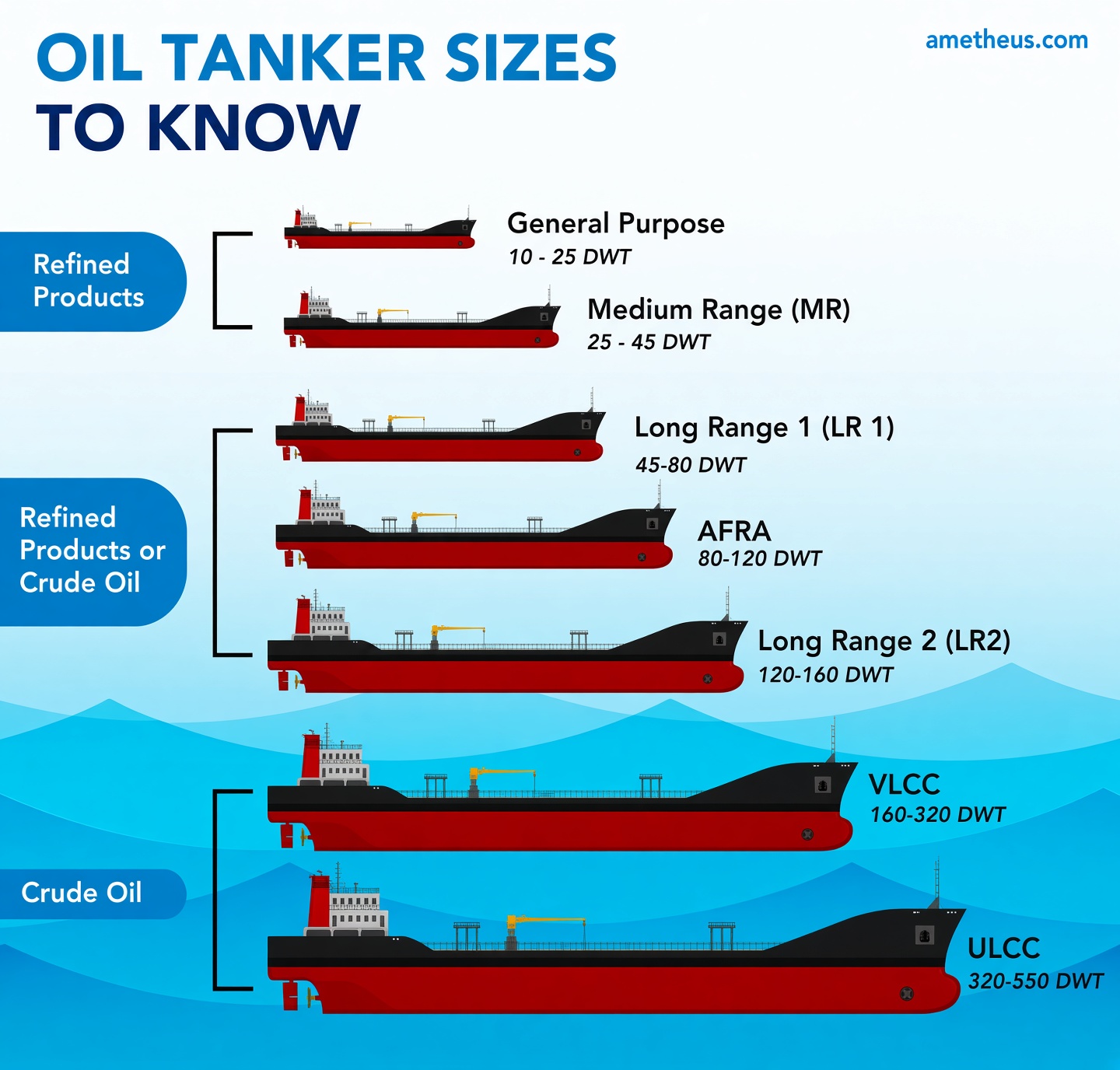
Diesel loading vessels can be tanker or bulk carriers and come in a variety of sizes. The size of a diesel loading vessel is determined by its deadweight tonnage (DWT) and length. 

Bulk carrier types

  • HandysizeA smaller vessel with a capacity of 10,000–40,000 DWT
  • MR (Medium Range)A medium-sized vessel with a capacity of 40,000–55,000 DWT
  • LR1 (Long Range 1)A medium-sized vessel with a capacity of 55,000–80,000 DWT
  • LR2 (Long Range 2)A large-sized vessel with a capacity of 120,000–160,000 DWT
  • Aframax: A tanker with a capacity of 80,000–120,000 DWT and a length of about 245.5–259.97 meters
  • Suezmax: A tanker with a capacity of 120,000–200,000 DWT and a length of about 274.30 meters
  • VLCC (Very Large Crude Carrier): A tanker with a capacity of 160,000–319,999 DWT and a length of about 333–339.50 meters
  • ULCC (Ultralarge Crude Carrier): A tanker with a capacity of 320,000–550,000 DWT and a length of about 415 meters


Loadability in Container

Drums

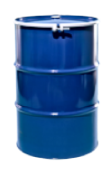
We can load 80 drums (200 liters) per 20ft shipping container

ISO Tanks

We can load approx. 20,000-26,000 liters per 20ft ISO Tank

Flexitanks

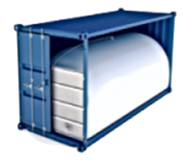
We can load approx. 18,000-24,000 liters per 20ft Flexitank

Totes

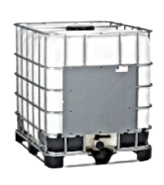
We can load 18 Totes (1,000 liters) per 20ft shipping container


The most well-known and widespread laboratory companies trusted by most market participants:

Several well-known global laboratory companies specialising in laboratory testing of petroleum products include:

  1. SGS SA
  2. Intertek Group plc
  3. Bureau Veritas SA
  4. Core Laboratories / Saybolt
  5. ALS Limited


Email: [email protected] | gks(at)ametheus(dot)com | Phone: +91-9999999538, Whatsapp: +91-9999099538
Disclaimer : We hereby declare that we do not accept or source any fuel or petroleum products from any sanctioned country.